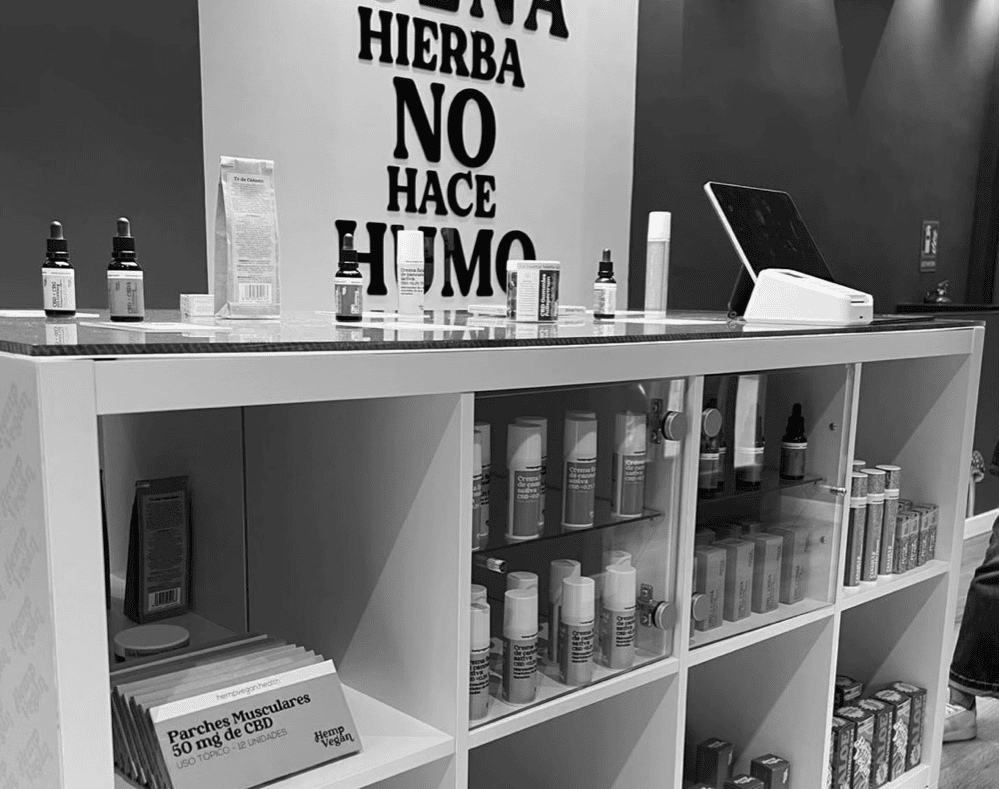
In our Regulatory Snapshot, when we say a country treats Medicinal Cannabis as restricted, it means that products like cannabidiol (CBD) oils are only allowed under formal medicine registration rules. This does not exclude other interpretations, where the same CBD oil may be seen as a herbal medicine, supplement, or even a superfood. In many countries, this remains a “grey area” — a space where entrepreneurs must actively engage and help shape the path forward.
What you'll learn
Table of contents

Japan Introduction
Japan enforces some of the strictest cannabis laws in the world. Both recreational and medical cannabis are illegal, with no patient access program. Possession, cultivation, and trafficking are criminal offences carrying heavy prison sentences. However, Japan allows hemp cultivation under prefectural licenses for traditional and industrial purposes. Since 2016, CBD isolate products (strictly THC-free) have been tolerated, creating a niche but highly regulated market for oils, cosmetics, and wellness products. Functional mushrooms and adaptogens are permitted, but psilocybin remains banned.
---
Cannabis & Wellness Regulation Overview
Recreational Cannabis (Adult Use)
Status: Illegal.
- Cannabis Control Act (1948) bans possession, cultivation, import, and sale.
- Penalties include up to 5–10 years imprisonment for possession/trafficking.
- No tolerance, no decriminalization.
Medical Cannabis
Status: Not permitted.
- No medical cannabis program exists.
- Cannabis-based medicines (e.g., Sativex, Epidiolex) are not authorized in Japan.
- Research remains tightly restricted.
Hemp Definition & Industrial Use
Status: Permitted under license.
- Cultivation of hemp allowed with prefectural government licenses.
- Hemp is used for cultural, industrial, and Shinto ceremonial purposes.
- ≤0.3% THC standard applied; licensing is rare and tightly monitored.
CBD Products
Status: Legal if THC-free.
- Only CBD isolate products are allowed (no THC detectable, even trace).
- Full-spectrum or broad-spectrum extracts are banned.
- Imported products must include lab certificates and clear proof of THC absence.
- Popular formats: oils, cosmetics, beverages.
Cosmetics & Artisanal Products
Status: Permitted with restrictions.
- Hemp seed oil is permitted.
- CBD cosmetics allowed if THC-free, registered as cosmetics under MHLW.
- No therapeutic or medicinal claims permitted.
Functional Mushrooms & Adaptogens
Status: Permitted.
- Reishi, lion’s mane, cordyceps, and similar mushrooms are sold as health foods and supplements.
- Regulated by the Food Sanitation Act (FSA).
- Claims must remain functional, not medicinal.
Psilocybin / Psychedelics
Status: Prohibited.
- Psilocybin mushrooms are explicitly banned under the Narcotics and Psychotropics Control Act.
- Possession or sale carries severe penalties.
---
Operating Guidance (Hemp Vegan)
Wellness-Driven Coffee & Retail
Best entry opportunities:
- Choose your space: cafés centered on CBD isolate beverages, functional mushrooms, and adaptogens.
- Plug into the ecosystem: partner with certified importers to guarantee THC-free compliance.
- Grow with support: SOPs around labeling, batch testing, and risk management for THC detection.
Clinical Tools & AI
- No medical cannabis channel, but tools can focus on CBD compliance checks, THC traceability, and education on FSA-compliant claims.
- AI can help brands manage lab certificate tracking and consumer safety education.
---
Marketing, Claims & Compliance
Advertising & Claims
- No therapeutic claims permitted for CBD or hemp cosmetics.
- Products marketed as wellness, relaxation, or balance.
- Health foods/mushrooms: only structure/function or nutrition-related claims.
Packaging & Labeling
- CBD: must prove THC-free; import lab reports required.
- Cosmetics: INCI list, batch, expiry, importer/manufacturer details.
- Supplements: nutrition facts, FBO, batch/expiry.
---
Taxes, Import & Duties
- VAT (Consumption Tax): 10%.
- Imports of CBD require documentation and lab analysis proving no THC.
- Hemp seed foods and functional mushrooms freely importable under FSA rules.
---
Risks & Practical Notes
- Zero tolerance for THC — even trace detection leads to seizures, fines, and criminal charges.
- No medical cannabis program means CBD isolate is the only cannabinoid path.
- Hemp cultivation licensed but symbolic (ceremonial/industrial scale).
- Best strategy: CBD isolate cosmetics/foods, functional mushroom cafés, and adaptogen retail.
---
FAQ (Hemp Vegan)
Is cannabis legal in Japan?
No. Cannabis remains strictly prohibited for both recreational and medical use.
Is CBD oil legal?
Yes, but only if THC-free isolate. Full-spectrum or broad-spectrum extracts are prohibited.
Can hemp be cultivated?
Yes, under prefectural licenses, but primarily for ceremonial and industrial purposes.
---
Sources & Review Log
_Last reviewed_: 2025-08-23
- Cannabis Control Act (1948) — prohibition framework
- MHLW notices on CBD imports (2016 onward) — THC-free requirement
- Narcotics and Psychotropics Control Act — psilocybin prohibition
- Food Sanitation Act (FSA) — mushrooms/supplement compliance