In our Regulatory Snapshot, when we say a country treats Medicinal Cannabis as restricted, it means that products like cannabidiol (CBD) oils are only allowed under formal medicine registration rules. This does not exclude other interpretations, where the same CBD oil may be seen as a herbal medicine, supplement, or even a superfood. In many countries, this remains a “grey area” — a space where entrepreneurs must actively engage and help shape the path forward.
What you'll learn
Table of contents

Lebanon Introduction
Lebanon became the first Middle Eastern country to legalize cannabis cultivation for medical and industrial purposes in April 2020. The law aims to create export revenue through tightly controlled licensed production, but domestic recreational use remains illegal. CBD and hemp products are emerging in the local market, though regulation is unclear. Lebanon is also known for its herbal medicine and artisanal cosmetics industry (olive oil, laurel soap, essential oils). Functional mushrooms and adaptogens are permitted, creating opportunities for Hemp Vegan cafés that blend CBD, mushrooms, and Lebanese botanicals.
---
Cannabis & Wellness Regulation Overview
Recreational Cannabis (Adult Use)
Status: Illegal.
- Use and possession prohibited.
- Enforcement varies — rural tolerance vs. urban crackdowns.
- Large-scale illicit cultivation exists in the Bekaa Valley.
Medical Cannabis
Status: Legal framework since 2020.
- Cultivation licensed by the Lebanese Parliament Law 178/2020.
- Intended mainly for export markets, not domestic patient access.
- No wide national medical cannabis program for citizens yet.
Hemp & Industrial Definition
Status: Legal.
- Industrial hemp permitted under the 2020 cannabis law.
- Intended for fiber, CBD, seed oil, and industrial uses.
CBD Oils and Products
Status: Semi-legal.
- CBD possible under hemp law but poorly regulated.
- Domestic retail exists in a grey zone, with products found in shops and wellness stores.
- Export seen as more viable than local sales.
Cosmetics & Artisanal Production
Status: Allowed.
- Lebanon has a strong heritage of herbal cosmetics and soaps (e.g., Tripoli soap, laurel oil).
- CBD cosmetics emerging under hemp framework.
- Good opportunity for CBD topicals + Lebanese botanical blends.
Functional Mushrooms & Adaptogens
Status: Allowed.
- Reishi, Lion’s Mane, Cordyceps imported and available in wellness shops.
- Adaptogens (ashwagandha, ginseng, maca) increasingly popular.
- Regulated under Ministry of Public Health as supplements.
Psilocybin / Psychedelics
Status: Strictly prohibited.
- Listed as narcotics.
- Harsh penalties for possession or trafficking.
---
Operating Guidance (Hemp Vegan)
Wellness-Driven Coffee & Retail
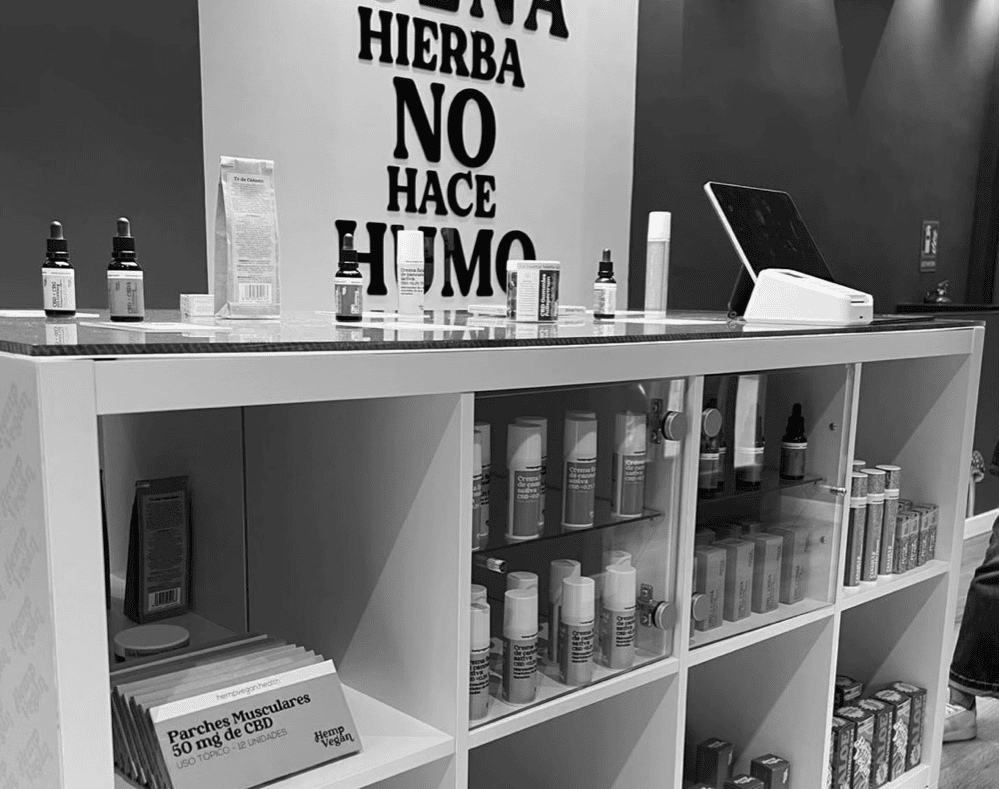
- Strong positioning: coffee + CBD + mushrooms + Lebanese botanicals.
- Integrate with artisanal soap/cosmetics traditions and hemp-based skincare.
- Leverage Lebanon’s export-friendly cannabis law for potential partnerships.
Clinical Tools & AI
- Integration possible with licensed medical cannabis projects, once domestic access expands.
- Short-term: focus on education, CBD cosmetics, and adaptogens.
---
Marketing, Claims & Compliance
Advertising & Claims
- Recreational cannabis: prohibited.
- CBD: only safe to advertise as wellness/cosmetic.
- Supplements: may use structure/function claims but avoid therapeutic language.
Packaging & Labeling
- Labels must be in Arabic or French (English often accepted).
- CBD/hemp products: must indicate THC ≤0.2% (aligned with export standards).
- Cosmetics: comply with Ministry of Public Health safety rules.
---
Taxes, Import & Duties
- VAT: 11% (but tax system disrupted by financial crisis).
- Hemp/CBD exports: taxed/licensed by government.
- Mushrooms/adaptogens: treated as supplements.
- Cosmetics: artisanal sector remains strong for domestic & diaspora exports.
---
Risks & Practical Notes
- Recreational cannabis: prohibited.
- Medical cannabis: legal for cultivation/export; domestic use limited.
- Hemp: legalized under 2020 law.
- CBD: semi-legal, grey market for local sales.
- Strategy: position Hemp Vegan cafés around CBD cosmetics, mushrooms, adaptogens, and Lebanese herbal identity, while exploring export partnerships.
---
FAQ (Hemp Vegan)
How Hemp Vegan supports operations in Lebanon
We help partners launch CBD/mushroom/herbal cafés, navigating grey zones locally and positioning for export partnerships under the 2020 cannabis law.
Payroll & local operations
Employer contributions ~22–24%. Hemp Vegan provides HR compliance kits adapted to Lebanese labor law.
Creators vs. Employees
Retail staff must be hired locally. Remote collaborators may work as contractors.
Ongoing support
We monitor Parliament cannabis law implementation (Law 178/2020) and Ministry of Health supplement/cosmetic updates.
---
Sources & Review Log
_Last reviewed_: 2025-08-23