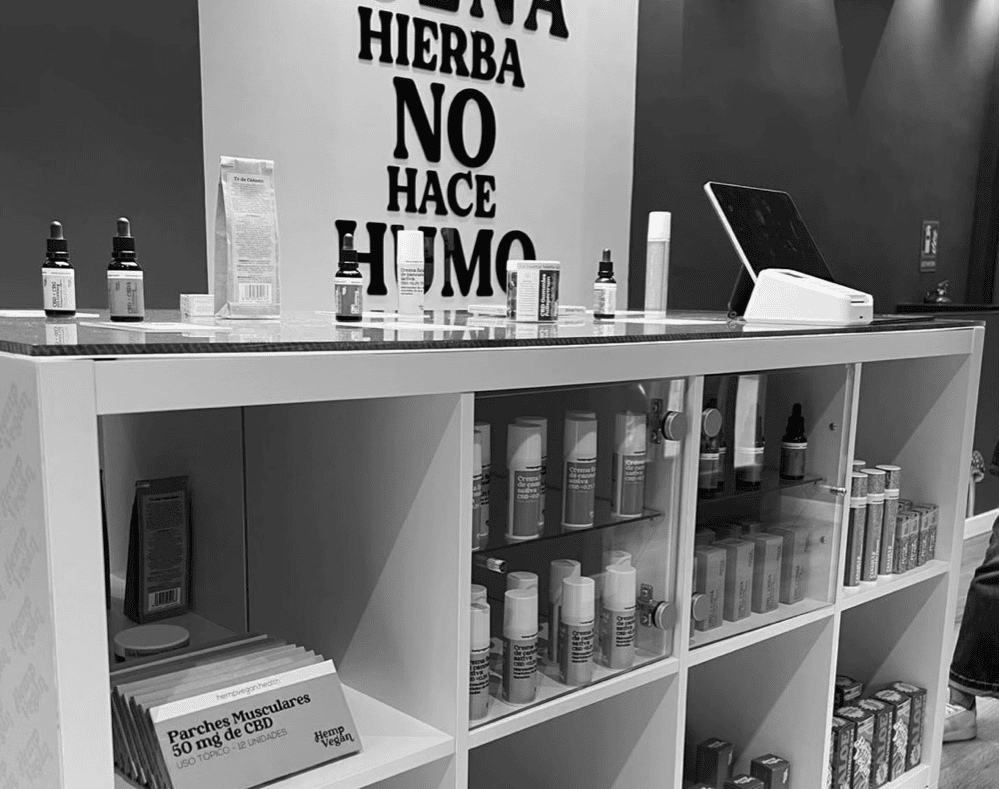
In our Regulatory Snapshot, when we say a country treats Medicinal Cannabis as restricted, it means that products like cannabidiol (CBD) oils are only allowed under formal medicine registration rules. This does not exclude other interpretations, where the same CBD oil may be seen as a herbal medicine, supplement, or even a superfood. In many countries, this remains a “grey area” — a space where entrepreneurs must actively engage and help shape the path forward.
What you'll learn
Table of contents

Malaysia Introduction
Malaysia enforces zero-tolerance narcotics laws. Cannabis (including all parts and derivatives) is illegal for recreational use and tightly controlled for any medical, research, or import activity under the Dangerous Drugs Act 1952. There is no open medical cannabis program; access to cannabis-based medicines is possible only by specific ministerial/NPRA authorization. Authorities do not distinguish hemp from cannabis, so hemp cultivation and CBD retail are not permitted outside narrow, licensed contexts. In contrast, functional mushrooms and adaptogens are viable categories under standard food and supplement rules. Psilocybin remains prohibited.
---
Cannabis & Wellness Regulation Overview
Recreational Cannabis (Adult Use)
Status: Illegal with severe penalties.
- Possession, cultivation, import/export, and sale are criminal offences under the Dangerous Drugs Act 1952.
- Quantities at or above statutory presumptions (e.g., 200 g) can be deemed trafficking, exposing offenders to life imprisonment or the death penalty.
- No decriminalization or public retail pathway.
Medical Cannabis
Status: Extremely limited, approval-based.
- Use for medical/experimental/educational/research purposes requires Minister of Health authorization and is typically restricted to public-sector channels.
- NPRA may register specific cannabis-derived medicines on a case-by-case basis (historic example: Sativex approval in 2014), but no broad patient access program exists.
- Private import or clinic-level dispensing without approvals is unlawful.
Hemp Definition & Industrial Use
Status: Not differentiated from cannabis.
- “Hemp” is treated as Cannabis sativa under the Dangerous Drugs framework.
- Cultivation/processing allowed only for research or with special licences; no general industrial hemp regime.
CBD Products
Status: Restricted to the medicines channel; otherwise prohibited.
- CBD ingestibles are not approved as foods/supplements.
- CBD cosmetics are not permitted.
- Only NPRA-approved prescription medicines containing cannabinoids may be supplied within the medical system, subject to strict controls.
Cosmetics & Artisanal Products
Status: Allowed only if cannabis-free.
- Cannabis/hemp/CBD ingredients are not allowed in cosmetics.
- General cosmetics must follow NPRA/ASEAN Cosmetic Directive rules with notification, safety assessment, and post-market surveillance.
- Use conventional botanicals (e.g., tea, turmeric) and non-cannabis seed oils.
Functional Mushrooms & Adaptogens
Status: Permitted.
- Reishi, lion’s mane, cordyceps, chaga, etc., can be marketed as foods/supplements under MOH (FSQD/NPRA) frameworks.
- Claims must remain nutrition/wellness-oriented (no disease claims).
Psilocybin / Psychedelics
Status: Prohibited.
- Psilocybin is a controlled narcotic; possession/production/trafficking are serious offences.
- No medical, retail, or decriminalization pathway.
---
Operating Guidance (Hemp Vegan)
Wellness-Driven Coffee & Retail
Build non-cannabis wellness concepts aligned to Malaysian law:
- Choose your space: café or retail hub for functional mushrooms, teas, adaptogens, superfoods.
- Plug into the ecosystem: work with MOH-compliant importers, co-packers, and labs; implement robust traceability and label control.
- Grow with support: staff training on strict refusal policies for cannabis/CBD inquiries; SOPs for FSQD/NPRA compliance.
Clinical Tools & AI
- Configure AI tools to exclude cannabinoids and surface Dangerous Drugs Act risk flags.
- Build checklists for supplement labeling, claims vetting, and product classification at the food–drug interphase.
---
Marketing, Claims & Compliance
Advertising & Claims
- No cannabis/CBD promotion is permitted.
- Supplements: no therapeutic claims; stick to structure/function language allowed by FSQD.
- Cosmetics: cosmetic claims only; ensure formulas are cannabis-free and properly notified.
Packaging & Labeling
- Supplements/foods: Malay/English labeling, nutrition facts, batch/expiry, local FBO/importer details, any MOH approvals as applicable.
- Cosmetics: INCI list, batch/expiry, local responsible person, NPRA notification number.
- Medicines: NPRA registration number, Rx status, and strict storage/dispensing controls.
---
Taxes, Import & Duties
- Malaysia operates SST, not VAT: sales tax 5–10% (goods) and service tax 8% (most services).
- Cannabis/CBD products are not importable except under explicit medical/ministerial authorization.
- Functional mushrooms/adaptogens and standard cosmetics are importable with MOH compliance and proper licensing.
---
Risks & Practical Notes
- Highest risk: any involvement with cannabis, hemp, or CBD.
- Safe lanes: functional mushrooms, teas, adaptogens, and cannabis-free cosmetics.
- Train staff on search/seizure scenarios and documentation hygiene (CoA, origin, ingredient specs).
- Avoid hemp imagery/terminology that could imply controlled ingredients.
---
FAQ (Hemp Vegan)
Is any form of cannabis legal in Malaysia?
No. Recreational use is illegal. Medical/research use requires Minister of Health authorization, and access is very limited.
Can I sell CBD oil, gummies, or hemp cosmetics?
No. CBD is not approved as a food/supplement or cosmetic. Only NPRA-approved prescription medicines may contain cannabinoids.
Are functional mushrooms allowed?
Yes, as foods/supplements, with compliant labeling and no medicinal claims.
---
Sources & Review Log
_Last reviewed_: 2025-08-24
- Dangerous Drugs Act 1952 (Act 234) — import/possession/trafficking offences; ministerial authorization for medical/research use.
- NPRA (MOH) — Drug Registration Guidance Document; Cosmetic regulatory guidelines & ASEAN Cosmetic Directive adoption.
- CodeBlue (MOF clarification, 2025) — cannabis remains illegal despite tax headlines.
- NPRA classification & FSQD — food–drug interphase guidance for supplements/foods.
_Reference reading:_ DDA 1952 official PDFs; NPRA cosmetic guidelines; NPRA DRGD; MOH/CodeBlue policy notes on cannabis/CBD.