In our Regulatory Snapshot, when we say a country treats Medicinal Cannabis as restricted, it means that products like cannabidiol (CBD) oils are only allowed under formal medicine registration rules. This does not exclude other interpretations, where the same CBD oil may be seen as a herbal medicine, supplement, or even a superfood. In many countries, this remains a “grey area” — a space where entrepreneurs must actively engage and help shape the path forward.
What you'll learn
Table of contents

Netherlands Introduction
The Netherlands pioneered cannabis tolerance through its coffeeshop policy, allowing retail sales under strict local rules while production and wholesale remained illegal (the “backdoor problem”). A national Closed Cannabis Chain Experiment (Wietexperiment) is now rolling out to evaluate fully legal, licensed cultivation and supply to participating coffeeshops. Medical cannabis has been lawful since 2003 via the Office of Medicinal Cannabis (OMC), with EU-GMP supply (e.g., Bedrocan) dispensed in pharmacies. Hemp is allowed under EU rules, but extraction of cannabinoids from hemp flowers remains restricted. CBD is commonplace but ingestible products are classified as Novel Foods, requiring authorization. Psilocybin ‘truffles’ (sclerotia) are legal, while mushrooms (fruiting bodies) remain banned.
---
Cannabis & Wellness Regulation Overview
Recreational Cannabis (Adult Use)
Status: Tolerated retail; legal supply piloted.
- Coffeeshops may sell cannabis to adults 18+ under municipal licence and national guidelines (no advertising, no hard drugs, no nuisance).
- Typical rules: max 5 g per person per day; on-site consumption allowed depending on local policy; stock limits apply (e.g., ~500 g in standard policy).
- Supply to coffeeshops is illegal outside pilot municipalities; the Wietexperiment authorizes licensed growers to supply selected cities under state supervision.
- No national commercial branding/ads; strict youth protections and ID checks.
Medical Cannabis
Status: Legal, prescription-only.
- Managed by the Office of Medicinal Cannabis (OMC) under the Health Ministry.
- Bedrocan produces standardized varieties (EU-GMP) for pharmacy dispensing; oils and flowers available.
- Prescribers decide indications (e.g., chronic pain, MS spasticity, chemotherapy-related symptoms).
- Exports occur under OMC control; advertising to the public is not permitted.
Hemp Definition & Industrial Use
Status: EU compliant.
- Industrial hemp (≤0.3% THC) may be cultivated for fiber and seed uses.
- Extraction from hemp flowers/tops for cannabinoids is restricted and generally treated as narcotics manufacture unless specifically authorized.
- Hemp seed, seed oil, protein, and fiber are allowed in foods, cosmetics, and materials within THC residue limits.
CBD Products
Status: Mixed; widely available but regulated by category.
- Ingestible CBD (oils, gummies, beverages) is classified as Novel Food — requires EU authorization before lawful marketing; enforcement by NVWA targets unapproved products and claims.
- Topicals/cosmetics with THC-free CBD can be marketed if compliant with EU cosmetics rules (safety dossier, CPNP notification, INCI).
- THC must be non-detectable in consumer products; medical claims reclassify as medicines.
Cosmetics & Artisanal Products
Status: Permitted with constraints.
- Hemp seed oil is widely used; CBD in cosmetics is feasible when THC-free, with no therapeutic claims and full EU cosmetics compliance (safety file/Responsible Person/labeling in NL).
- Handcrafted cosmetics must still meet EU/Netherlands cosmetic safety and notification requirements.
Functional Mushrooms & Adaptogens
Status: Permitted under food/supplement law.
- Reishi, lion’s mane, cordyceps, chaga and others are sold as foods/supplements.
- Claims limited to authorized nutrition/health claims; novel extracts may require Novel Food assessment.
- Quality, contaminants, and labelling in Dutch are enforced by NVWA.
Psilocybin / Psychedelics
Status: Dual regime (truffles vs. mushrooms).
- Psilocybin mushrooms (fruiting bodies) have been banned since 2008.
- Psilocybin ‘truffles’ (sclerotia) are lawful and sold in smartshops, subject to age limits and consumer protection rules.
- Therapeutic use is not legalized; research requires authorization.
---
Operating Guidance (Hemp Vegan)
Wellness-Driven Coffee & Retail
A pragmatic, compliant entry path in NL:
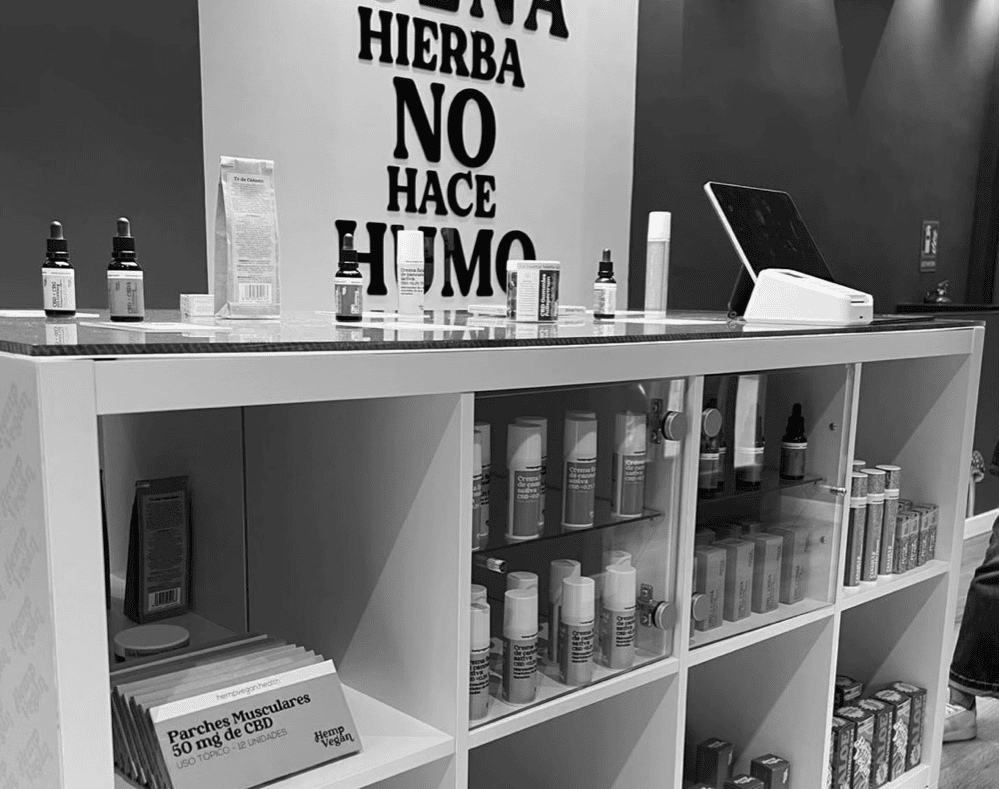
- Choose your space: cafés/wellness retail with hemp foods, functional mushrooms, adaptogens, and CBD topicals (THC-free).
- Plug into the ecosystem: collaborate with pharmacies for medical education, and with licensed pilot growers/coffeeshops in Wietexperiment municipalities.
- Grow with support: SOPs for Novel Food readiness, cosmetic safety dossiers, and coffeeshop compliance interfaces (where applicable).
Clinical Tools & AI
- Physician decision support aligned with OMC pharmacopeia and EU-GMP data.
- Compliance prompts for Novel Foods, CPNP, and no-THC thresholds.
- Patient education in Dutch/English.
---
Marketing, Claims & Compliance
Advertising & Claims
- Coffeeshops: no advertising; neutral signage only; no youth targeting.
- CBD/hemp/mushrooms: avoid therapeutic claims; use structure/function or educational language.
- Keep materials in Dutch and ensure labelling meets NVWA standards.
Packaging & Labeling
- Medical cannabis: pharmacy labelling; batch/expiry; cannabinoid specs; EU-GMP.
- Foods/supplements: ingredients, allergens, nutrition, responsible operator in NL; Novel Food authorization if CBD is present.
- Cosmetics: INCI, RP, safety file (PIF), batch, PAO/expiry; THC-free requirement for CBD cosmetics.
---
Taxes, Import & Duties
- VAT: 21% standard; 9% reduced for many foods (hemp foods may qualify).
- Imports/exports of controlled cannabis require OMC authorizations and INCB alignment.
- CBD foods face Novel Food approval at EU level; cosmetics follow EU free movement once compliant.
---
Risks & Practical Notes
- Coffeeshop supply remains illegal outside pilot cities (backdoor problem) — partner only where Wietexperiment allows licensed supply.
- CBD ingestibles: high regulatory risk without Novel Food authorization.
- Cosmetics: feasible with THC-free CBD and full compliance.
- Truffles: legal but psychoactive; follow strict age controls, consumer safety, and responsible messaging.
---
FAQ (Hemp Vegan)
Can I open a cannabis retail store like in Canada?
No. Outside coffeeshops (tolerance policy) and pilot cities, retail is not permitted; no national adult-use retail framework.
Are CBD gummies legal to sell?
Only with Novel Food authorization. Many are offered on the market, but they face enforcement risk.
Can I sell CBD cosmetics?
Yes, if THC-free and fully compliant with EU cosmetics rules (safety file, CPNP, INCI, no medical claims).
Are psilocybin products legal?
Truffles (sclerotia) are legal and sold in smartshops; mushrooms remain banned.
---
Sources & Review Log
_Last reviewed_: 2025-08-23
- Opium Act (Opiumwet) — narcotics control; coffeeshop tolerance framework (gedoogbeleid)
- Office of Medicinal Cannabis (OMC) — medical cannabis supply via pharmacies (Bedrocan)
- Closed Cannabis Chain Experiment (Wietexperiment) — licensed cultivation & supply pilots
- EU hemp rules (≤0.3% THC) — industrial hemp cultivation; NL restrictions on cannabinoid extraction
- NVWA guidance — CBD in foods as Novel Food; cosmetics compliance (CPNP/INCI, THC-free)
- 2008 ban on psilocybin mushrooms; truffles (sclerotia) permitted for retail