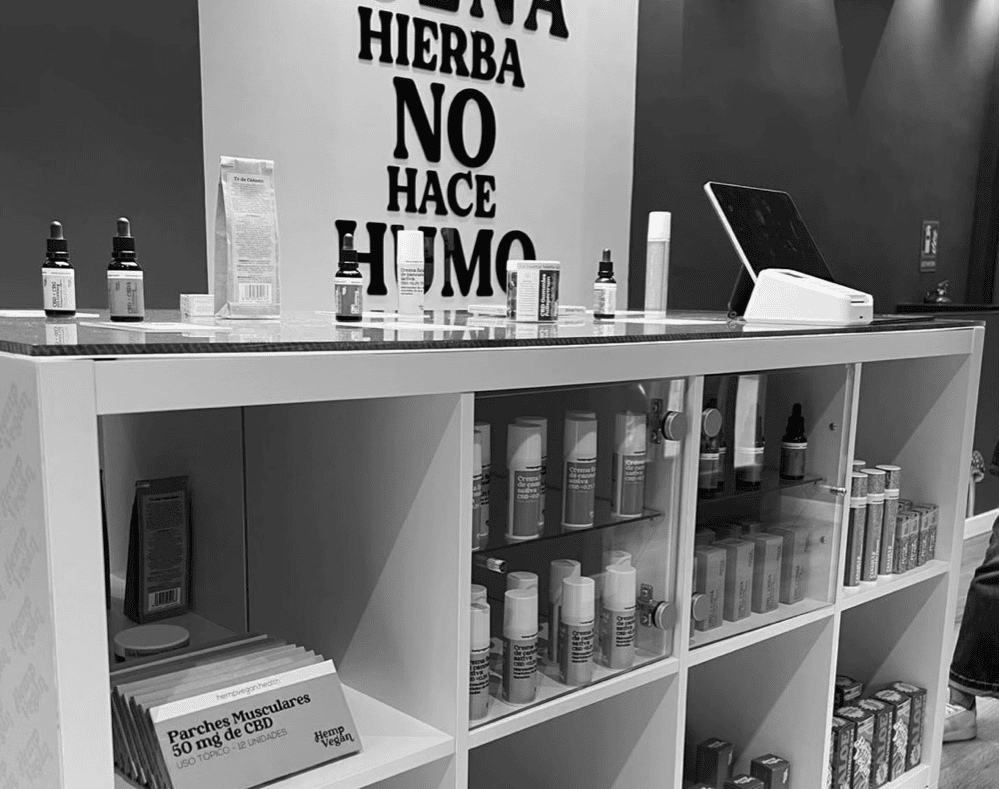
In our Regulatory Snapshot, when we say a country treats Medicinal Cannabis as restricted, it means that products like cannabidiol (CBD) oils are only allowed under formal medicine registration rules. This does not exclude other interpretations, where the same CBD oil may be seen as a herbal medicine, supplement, or even a superfood. In many countries, this remains a “grey area” — a space where entrepreneurs must actively engage and help shape the path forward.
What you'll learn
Table of contents

USA Introduction
The United States is the largest cannabis and wellness market in the world, but also one of the most complex. Cannabis remains federally illegal, classified as a Schedule I substance under the Controlled Substances Act. However, a majority of states have legalized medical cannabis, and nearly half allow recreational adult use. Hemp and CBD were federally legalized under the 2018 Farm Bill, though FDA restrictions and patchwork state laws complicate operations. Functional mushrooms are widely available, while psychedelics are beginning to see local decriminalization and regulated pilots.
---
Cannabis & Wellness Regulation Overview
Recreational Cannabis (Adult Use)
Status: State-level legalization.
- Recreational cannabis is legal in 24 states + D.C.
- Possession limits typically 1–2 ounces; home cultivation allowed in some states.
- Licensed retail dispensaries operate under strict state regulation.
- Advertising, packaging, and labeling are highly restricted.
- Federally, cannabis remains illegal; interstate commerce is prohibited.
Medical Cannabis
Status: Legal in most states.
- 38+ states operate medical cannabis programs.
- Patient access requires physician recommendation and state registration.
- Product forms: flower, oils, tinctures, capsules, edibles, topicals (varies by state).
- Insurance does not cover medical cannabis.
- Federal prohibition creates banking, tax, and supply chain challenges.
Hemp Definition & Industrial Use
Status: Legal under 2018 Farm Bill.
- Hemp is defined as Cannabis sativa ≤0.3% THC by dry weight.
- Hemp cultivation, processing, and sale are federally legal.
- States regulate licensing; USDA oversees hemp cultivation.
- Hemp fiber, seeds, and grain are widely used; extracts with cannabinoids fall under FDA scrutiny.
CBD Products
Status: Complex federal vs. state regulation.
- Hemp-derived CBD ≤0.3% THC is federally legal.
- FDA prohibits CBD in foods, beverages, and dietary supplements — but enforcement is inconsistent.
- States vary: some allow CBD in food/supplements, others restrict.
- Topicals and cosmetics with hemp-derived CBD are tolerated in most jurisdictions.
Cosmetics & Artisanal Products
Status: Mixed.
- Hemp seed oil and derivatives are widely used.
- CBD in cosmetics is tolerated if no therapeutic claims are made.
- FDA can intervene in cases of unsafe products or misleading claims.
Functional Mushrooms & Adaptogens
Status: Widely available.
- Reishi, lion’s mane, cordyceps, chaga and others sold as dietary supplements.
- Governed by the Dietary Supplement Health and Education Act (DSHEA).
- Claims limited to structure/function; no disease treatment claims.
Psilocybin / Psychedelics
Status: Federally prohibited; local reforms emerging.
- Psilocybin remains Schedule I federally.
- Oregon (2023): launched psilocybin services program (licensed facilitators).
- Colorado (2024): legalized supervised use and cultivation for adults.
- Several cities (Denver, Oakland, Seattle) decriminalized possession/use.
- Research trials expanding with FDA "Breakthrough Therapy" designation.
---
Operating Guidance (Hemp Vegan)
Wellness-Driven Coffee & Retail
Because of regulatory fragmentation:
- Choose your space: adaptogen cafés, hemp food retail, or wellness hubs.
- Plug into the ecosystem: partner with licensed cannabis operators in legal states.
- Grow with support: SOPs and compliance frameworks tailored per state.
Clinical Tools & AI
- Provide decision support for clinicians in medical cannabis states.
- Track evolving psychedelics frameworks (Oregon, Colorado).
- Country-aware AI compliance prompts ensure state-by-state regulatory accuracy.
---
Marketing, Claims & Compliance
Advertising & Claims
- Cannabis: advertising restricted by state; no interstate ads.
- CBD/hemp: claims limited to non-medical language.
- FDA actively issues warning letters for unapproved health claims.
Packaging & Labeling
- Cannabis: child-resistant, plain packaging, THC/CBD content, health warnings (state-specific).
- Hemp foods/supplements: ingredient list, nutrition facts, disclaimers.
- Cosmetics: FDA compliance; ingredient declaration, no medical claims.
---
Taxes, Import & Duties
- Cannabis businesses subject to IRC §280E, disallowing most tax deductions (heavy burden).
- Excise taxes vary by state (often 10–30